Every time I visit the Côte d’Azur in southern France, I’m inevitably captivated by its unparalleled natural beauty, rich Mediterranean charm, and relaxed pace of life. Nice, the heart of the French Riviera, is not only an excellent vacation destination but also an ideal starting point for a flexible road trip. I will share my car rental experience in Nice in detail – from choosing a rental company and the booking process, to tips for picking up the car and the scenic driving route.
1. Why Rent a Car in Nice
While public transportation in Nice is quite convenient, renting a car is undoubtedly the most flexible and efficient way to explore surrounding areas such as Èze, Monaco, Saint-Paul de Vence, and even the Provençal countryside. Trains and buses are budget-friendly but have limited routes and schedules, and waiting times can eat into your travel time. With a rental car, you can plan your own itinerary, stop along the way to enjoy the views, take photos, and sip coffee—essentially, go wherever you want, whenever you want.
2. Choosing the Right Rental Company
As a popular tourist destination, Nice offers a wide range of rental services. Major international brands like Avis, Hertz, Europcar, Sixt, and Enterprise are all available, along with local options such as Rent a Car and ADA. Personally, I prefer the major international companies. Though they’re slightly more expensive, they generally offer newer vehicles, better service, and quicker problem resolution. Here’s a brief comparison of several rental companies:
- Europcar: Wide vehicle selection, supports booking via Chinese-language website, and has offices both in downtown Nice and at the airport. Reasonable prices and efficient service.
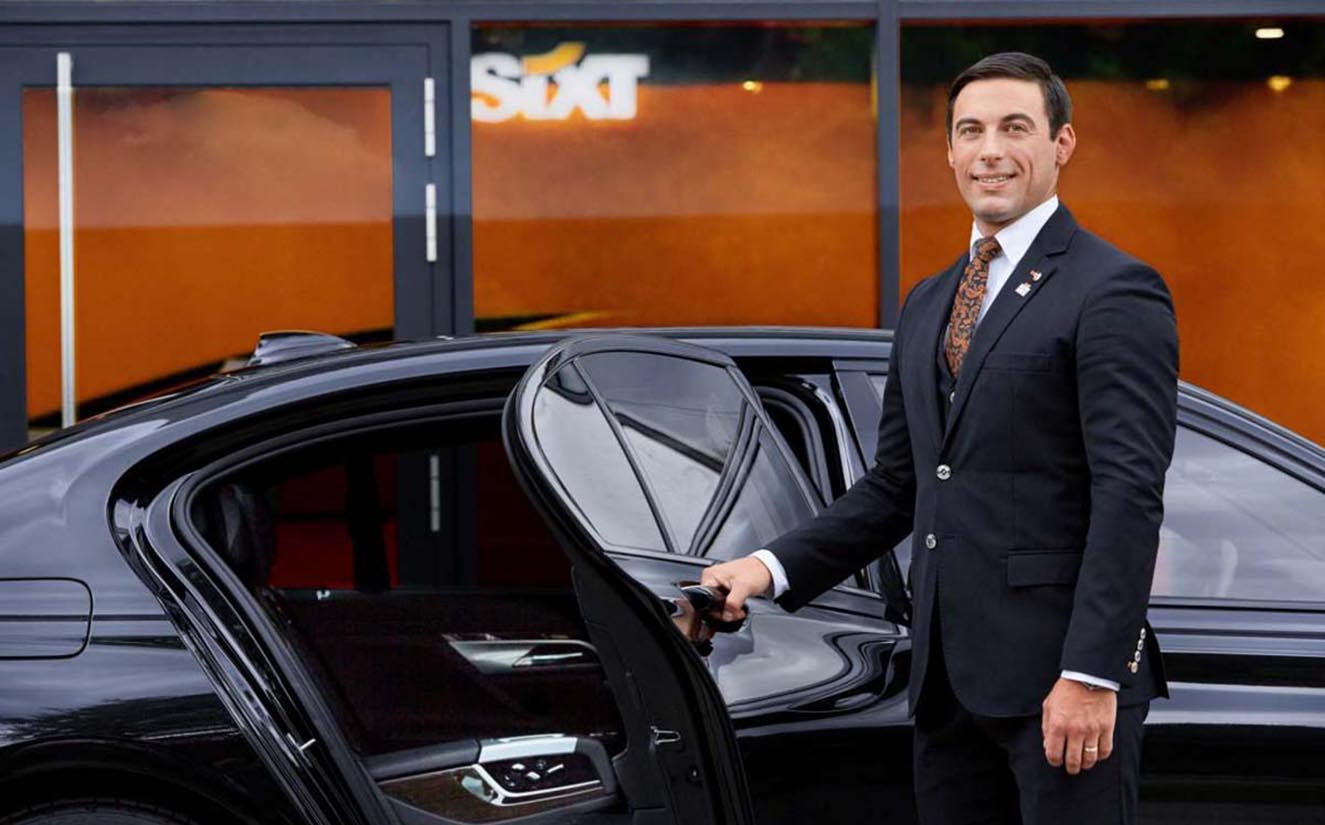
- Sixt: Newer, stylish cars—perfect for those who enjoy driving. I once rented a BMW Mini convertible, and cruising along the Mediterranean coast felt like being in a movie.
- Hertz: A well-established brand with many service points and convenient pick-up/drop-off. Offers Chinese customer service, ideal for first-time international renters. Slightly pricier, but very reliable.
- Rent a Car (local): Budget-friendly with occasional great deals. However, vehicles tend to be older. Best for travelers with driving experience looking to save money.
Recommended booking platforms: I usually use Rentalcars.com, Auto Europe, or Discover Cars. These international platforms offer price comparisons, user reviews, instant confirmation, and Chinese-language support. They’re often cheaper than booking directly from the rental company’s website.
3. Pre-Rental Preparations
Renting a car in Nice is fairly straightforward, but being well-prepared helps avoid last-minute issues.
- International Driver’s License/Translation: France accepts officially translated Chinese driver’s licenses. It’s essential to obtain a certified translation or international driver’s permit (IDP) beforehand. Handle this in your home country to save time and stress abroad.
- Credit Card with Embossed Name: Most companies require a credit card under the main driver’s name for a security deposit, typically ranging from €500 to €1,500. Debit or virtual cards are usually not accepted.
- Age and Experience: Most rental companies require drivers to be at least 21 years old and have one year of driving experience. SUVs and premium vehicles may require a minimum age of 25 and may incur a “young driver” surcharge.
- Insurance: Basic rental prices typically include only third-party liability. I recommend adding full coverage or Collision Damage Waiver (CDW) to cover damage, tires, glass, etc. Some platforms offer “super coverage,” which simplifies claims. It’s worth paying extra for peace of mind.
4. Car Pick-Up Process in Nice
You can pick up your rental car either at Nice Côte d’Azur Airport or in the city center. Based on my experience, it’s most efficient to pick up your car directly at the airport upon arrival.
- Airport Pick-Up: Most rental desks are located in Terminal 2 with clear signage. Before your trip, double-check the terminal. When picking up your car:
- Present your passport, translated driver’s license, credit card, and reservation number.
- Inspect the vehicle carefully. Take photos/videos of any scratches, fuel level, and mileage.
- Learn how to use the car key or keyless entry system.
- Ask whether the car has a toll pass or fuel card.
- City Center Pick-Up: If you’re staying overnight in the city before heading out, picking up your car downtown is more convenient. There are many rental offices near Gare de Nice Ville. Book in advance, as cars may be scarce during peak seasons.
5. Recommended Driving Routes Around Nice
Once you’ve picked up your car, your road trip can officially begin! Here are three scenic routes I’ve personally experienced and highly recommend. Each offers stunning views and unforgettable moments.
Route 1: Nice – Èze – Monaco – Menton
This is a classic coastal journey along the Moyenne Corniche, a famous cliffside road blending natural beauty with cultural sites.
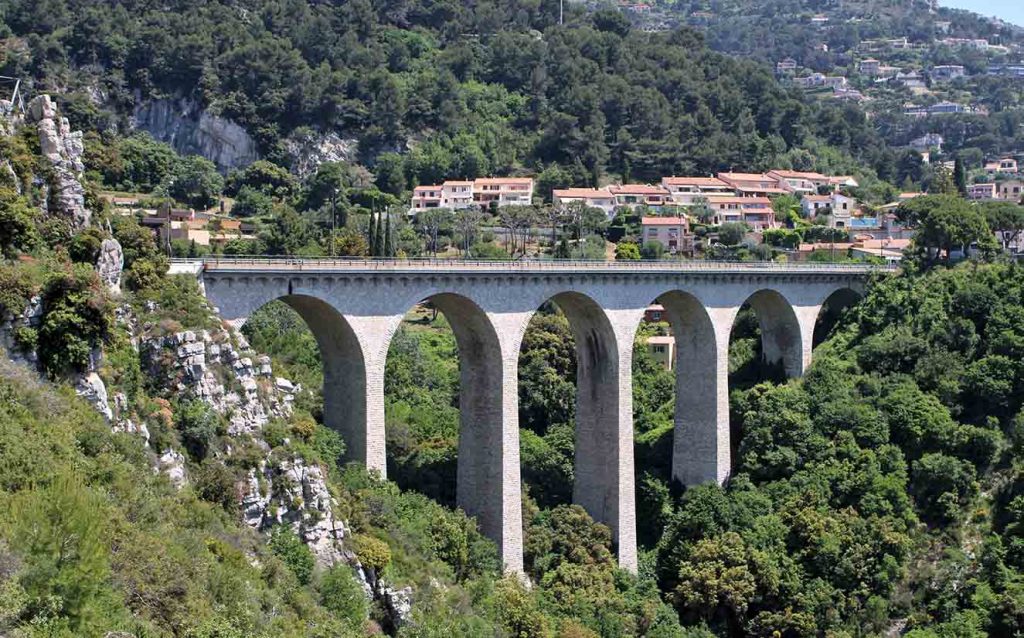
- Èze: Perched high on a cliff, Èze is one of the most picturesque medieval villages in Provence. Its narrow, cobblestone streets wind past artisan boutiques, cozy cafés, and historic stone houses. The Jardin Exotique, located at the top of the village, offers panoramic views over the coastline. Be sure to explore the Galimard or Fragonard perfume workshops, where you can create your own custom scent.
- Monaco: A glamorous microstate known for its wealth and luxury. Aside from the Monte Carlo Casino and the Prince’s Palace, you can visit the Oceanographic Museum or stroll through the elegant Japanese Garden. If you’re driving, consider tracing part of the legendary Formula 1 Grand Prix circuit—especially the famous hairpin bend near the Fairmont Hotel.
- Menton: Located at the French-Italian border, Menton boasts lush gardens, pastel-colored buildings, and a rich citrus-growing tradition. The annual Lemon Festival in February transforms the town into a citrus wonderland with elaborate sculptures made of lemons and oranges. Stroll along the old town, admire the baroque Basilica of Saint Michael, and treat yourself to a refreshing lemon gelato.
Route 2: Nice – Saint-Paul de Vence – Grasse – Cannes
Perfect for lovers of art and fragrance, this route winds through picturesque inland villages and coastal towns.
- Saint-Paul de Vence: Surrounded by medieval ramparts, this artists’ haven has attracted famous names like Chagall, Picasso, and Matisse. Today, its winding lanes are lined with over 40 art galleries and boutique studios. The Maeght Foundation, a modern art museum, is a must-see for contemporary art lovers.
- Grasse: Nestled in the hills, Grasse is the historic center of French perfumery. Its old town is a labyrinth of narrow streets and historic buildings. A visit to the Fragonard, Galimard, or Molinard perfume factories offers insight into the centuries-old craft of fragrance making. You can also tour the International Perfume Museum, which explores perfume’s role across cultures and eras.
- Cannes: Famous for its annual film festival, Cannes is a blend of glamor and coastal charm. The Promenade de la Croisette is ideal for a seaside walk, dotted with designer boutiques and beach clubs. Visit the Festival Palace, home to the red carpet, or take a boat to the tranquil Lérins Islands. In the old town of Le Suquet, climb to the clock tower for sweeping views of the Bay of Cannes.
Route 3: Nice – Antibes – Saint-Tropez
Ideal for beach lovers and sunseekers.
- Antibes: This historic seaside town blends old-world charm with modern luxury. Visit the Picasso Museum housed in the Château Grimaldi, stroll along the ancient city walls, or relax on one of its sandy beaches. The Port Vauban marina is filled with some of the world’s most impressive yachts. Don’t miss the Provençal market for local cheese, olives, and lavender honey.
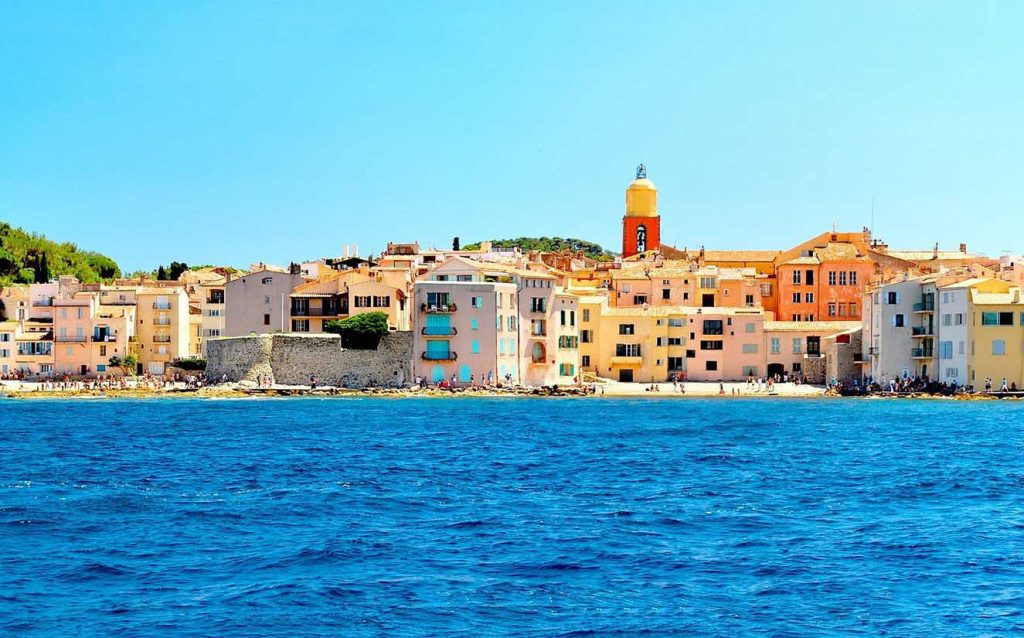
- Saint-Tropez: Once a sleepy fishing village, Saint-Tropez is now a playground for the rich and famous. Wander through its narrow streets, browse designer boutiques, and lounge at world-renowned beach clubs like Club 55. The old port, with its colorful boats and lively cafés, is perfect for people-watching.
6. Driving Tips in France
- Traffic Rules: Drive on the right. Urban areas usually have a 50 km/h limit; highways are 130 km/h (110 km/h in rain). No right turns on red. Yield to vehicles from the right in roundabouts.
- Parking: Parking is tight in Nice. Choose hotels with parking or use underground lots. Arrive early at attractions like Èze, as parking is limited.
- Fueling Up: French gas stations are mostly self-service and accept credit cards. Diesel = “Gazole”; Unleaded = “Sans Plomb 95/98”.
- Navigation: Use Google Maps or Waze for real-time traffic updates. Highways have toll booths (péages), which may detect electronic passes.
7. Car Return Process
Before returning your car, refill the gas tank (unless you pre-paid for fuel) and clean the interior. At drop-off, the company will check the car for damage, mileage, and fuel. Some airport locations offer after-hours return—just drop the key in the box. Keep your return receipt and monitor your credit card statement for any unexpected charges.
8. Extra Tips and Advice
- Avoid driving in busy cities like Paris or central Nice—traffic is chaotic and parking scarce. Use the car mainly for day trips.
- Booking early saves money—especially during peak season when prices surge.
- Consider renting an automatic car if you’re unfamiliar with European manual gear shifts.
- Check cross-border travel rules if you plan to visit Monaco or Italy—some companies require notice or extra fees.
Renting a car in Nice is not just about transportation—it’s about reclaiming the freedom to travel on your own terms. From winding mountain roads to dazzling coastal drives, from medieval villages to chic marinas, every kilometer is filled with beauty and surprise. With the right preparations and thoughtful planning, you’ll enjoy an unforgettable road trip across the Mediterranean jewel of France.