When talking about travel destinations in Italy, most people first think of Rome’s ancient ruins, Venice’s canals, Florence’s art, or Milan’s fashion. But there’s a city whose history dates back to Roman times, one that radiates medieval charm while also pulsing with the energy of a modern metropolis—Genoa (Genova). This port city, nestled along the Ligurian coast in northwestern Italy, may be less well-known, but it offers a cultural depth and unique allure that should not be overlooked.As I set foot in Genoa, a sea breeze tinged with salt and freedom swept over me, and I knew right then that this journey would be something special.
1. The Maze of the Old Town: Tracing Echoes of History Through Narrow Lanes
Genoa’s old town (Centro Storico) is one of the most enchanting parts of my journey. It’s one of the largest medieval old towns in Europe, where narrow, intertwined alleyways make it easy to get lost—but it’s in that very sense of being lost that I felt I had truly found the heart of Genoa.
I began at Porta Soprana, a surviving medieval city gate, and followed the cobblestone path past the magnificent Cattedrale di San Lorenzo. I was immediately drawn to its black-and-white Gothic façade, stark yet graceful in the morning light. Inside the cathedral, a solemn ambiance enveloped me, and the colorful stained glass windows cast dancing light on the floors—dreamlike and magical. Every footstep echoed softly, as if time itself was whispering through the stone.
As I wandered through streets like Vico dei Cartai and Via San Luca, I felt transported back to the Renaissance. Every weathered door, every faded wall seemed to hold untold stories—perhaps of merchants, artists, or revolutionaries. Small artisan shops and traditional bakeries peeked out from corners, offering a glimpse of local life unchanged for centuries. In Genoa, even the air on the street seems steeped in history, and simply walking becomes an act of discovery.
2. Harbor Vibes: Feeling the Pulse Between Ancient and Modern
A visit to Genoa wouldn’t be complete without experiencing its harbor. The city owes its prosperity to the sea—it was once a proud Maritime Republic that ruled Mediterranean trade routes. Today, the Old Port (Porto Antico) has been transformed into a cultural and recreational area, yet its historic spirit remains intact, etched into the weathered stones and rustling rigging of docked ships.
I took a funicular up to the Spianata Castelletto lookout. In that moment, the view opened up: the sea met the sky on the horizon, ships slowly left the harbor, and ancient buildings stood side by side with modern cruise liners. Church spires pierced the skyline, and the golden afternoon light glinted off terracotta rooftops. Genoa’s charm lies in this interplay between the old and the new—a city both grounded in history and open to the world.
The highlight of the port area for me was the Aquarium of Genoa (Acquario di Genova), designed by the visionary architect Renzo Piano. It’s one of the largest aquariums in Europe, and its glass walls and open design blend seamlessly with the sea. Watching whales, sharks, penguins, and sea turtles in massive tanks, I felt like I was underwater, surrounded by silent, graceful movement. The vast circular tank in particular was mesmerizing—standing before it, I lost all sense of time.
Afterward, I headed to Eataly, a gourmet marketplace by the port, where I enjoyed traditional Pesto alla Genovese and a platter of fresh seafood. The savory flavors, carried by the sea breeze, felt like I was tasting the entire Ligurian coast in one meal. Locals chatted over espresso, tourists clinked glasses of white wine, and the sounds of the harbor hummed in the background—a perfect harmony of food, culture, and the sea.
3. Museums and Palaces: Where Art Quietly Flourishes
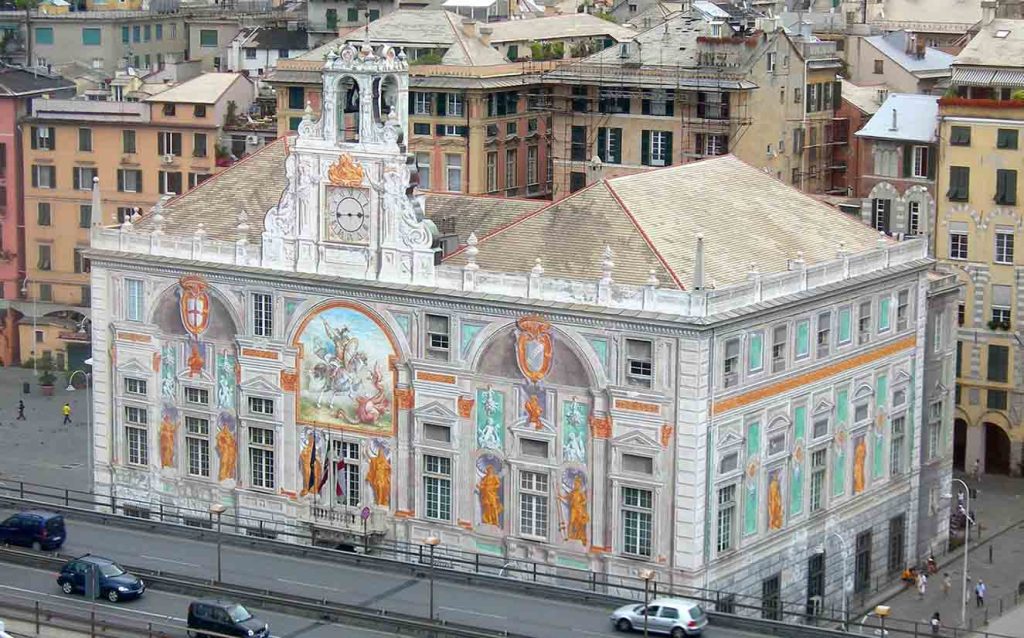
Though Genoa isn’t a typical “art capital” like Florence or Rome, its artistic legacy is equally captivating—and perhaps even more surprising for the unprepared traveler. What astonished me most was the elegant “Strada Nuova” on Via Garibaldi, also known as the “Street of Splendor.” This beautifully preserved street, listed as a UNESCO World Heritage site, is lined with opulent palaces (Palazzi dei Rolli) that once belonged to 17th-century aristocrats. Each façade tells a story of wealth and ambition, while the interiors preserve centuries of taste and tradition.
I spent an entire afternoon exploring Palazzo Rosso, Palazzo Bianco, and Palazzo Doria Tursi, three of the most celebrated buildings. Inside, I found myself surrounded by a breathtaking collection of Renaissance and Baroque masterpieces, including works by Titian, Van Dyck, Caravaggio, and Rubens. The lighting, the frescoed ceilings, and even the antique furnishings transported me to another era. But the most unexpected and moving moment came when I laid eyes on Paganini’s legendary Guarneri violin—the so-called “Devil’s Violin”—on display at Palazzo Tursi. Its dark wood glowed softly under museum lights, a tangible reminder of the virtuoso’s genius.
In Genoa, art doesn’t shout; it whispers through stone walls, baroque frames, and dusty corridors. It waits quietly behind closed doors, ready to be discovered by those who walk slowly and look closely.
4. Markets and Streets: Life Flows Gently Like the Sea
I’ve always believed that to truly understand a city, one must visit its markets—where flavors, traditions, and conversations come together in a vibrant, sensory mosaic. In Genoa, the Mercato Orientale proved to be just that kind of place. Hidden behind a modest 19th-century facade, the market bursts with life inside. The colorful stalls are piled high with bright lemons, fresh basil, glistening fish, and coils of handmade trofie pasta.
I wandered through the narrow aisles, stopping to chat with animated vendors who proudly explained their goods. The smell of ripe tomatoes mingled with the scent of salty anchovies, and the earthy richness of fresh truffles lingered in the air. I paused at a food stall to try the famed Focaccia Genovese—golden, pillowy, and still warm from the oven. The olive oil glistened on the crust, soaking into the soft crumb beneath. With each bite, I tasted the soul of Ligurian baking: simple, honest, utterly delicious.
Later that afternoon, I found a sunny spot at a street-side café just a few blocks away. I ordered a crisp glass of local Pigato wine, listened to a street musician pluck his guitar, and watched the gentle rhythm of Genoese life unfold: children playing tag near a fountain, elderly couples chatting in dialect, and shopkeepers sweeping their thresholds. Time seemed to soften around me, like a wave rolling slowly over sand.
5. Hidden Landscapes: From Mountain Trails to Seaside Secrets
While Genoa’s old town and harbor offer plenty to admire, it was the city’s hidden corners and nearby escapes that truly deepened my experience. Eager to venture beyond the tourist path, I headed east along the Ligurian coastline and arrived in Nervi, a serene and elegant seaside suburb. It felt like another world entirely—less crowded, more contemplative. The Passeggiata Anita Garibaldi, a dramatic cliffside path stretching about two kilometers, offered sweeping views of the Mediterranean. The path curved around jagged rocks and tiny pebble beaches, where sunbathers lounged like locals in the know.
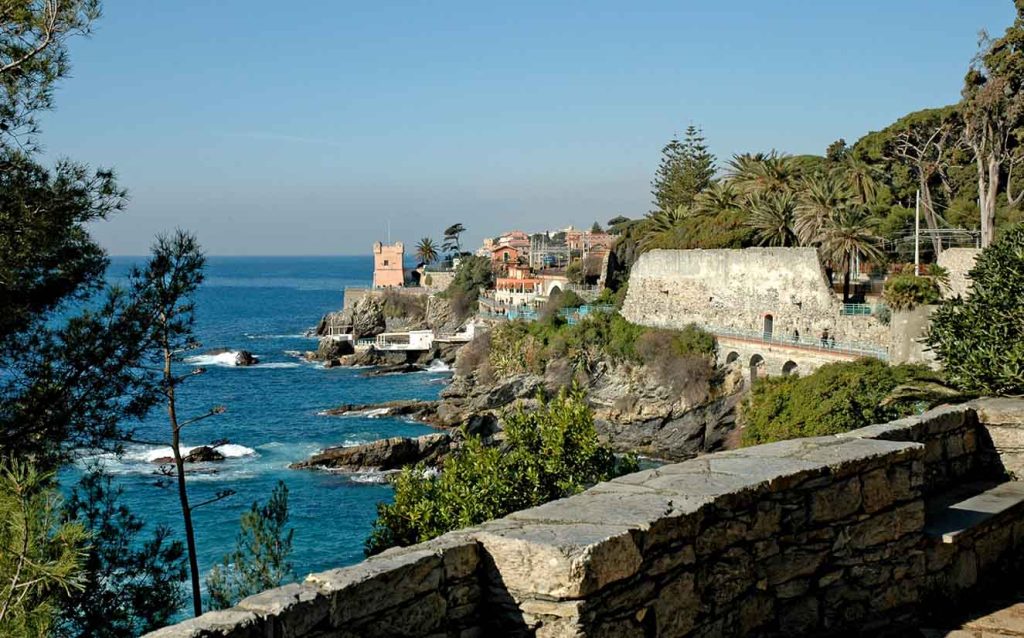
Every few hundred meters, I discovered a cozy café or bar tucked into the cliffs, serving espresso, gelato, or Aperol Spritz. I sat at one of these terraces as the sun dipped low, casting golden light over the sea. Waves lapped gently below, and seagulls circled overhead. It was the kind of moment that makes you forget to check your phone—or even what day it is.
Later, I turned inland toward Val Bisagno, Genoa’s lesser-known rural valley, where the city’s urban hum fades into hills and pastures. In Casella, I boarded a vintage narrow-gauge train, the “Trenino di Casella,” which slowly climbed into the Ligurian Apennines. The windows framed stunning scenes: olive groves, stone bridges, terraced vineyards, and sleepy hamlets perched on hilltops. The journey felt timeless, a poetic contrast to Genoa’s bustling port. Here, I realized the region’s true richness lies in its diversity: the sea, the mountains, and everything in between.
6. Practical Tips for a Smooth Journey
After this immersive trip, I’ve gathered a few practical tips to help future travelers:
- Transportation: Genoa’s metro system is limited, but buses and funiculars form a comprehensive network. I recommend getting a “Genova Pass” day ticket—it’s both convenient and economical.
- Accommodation: For nightlife and harbor vibes, stay near Porto Antico. For peace and history, the old town offers boutique hotels full of character.
- Food: Beyond pesto and focaccia, don’t miss Pansoti (local cheese-filled pasta) and Cappon Magro, a complex seafood salad traditionally served on holidays.
7. Farewell Moments: A City Etched in My Heart
As I stood once again at the Spianata Castelletto, gazing out over Genoa, I felt a deep sense of reluctance to leave. This city may not have Venice’s romance, Florence’s grandeur, or Rome’s imperial ruins, but it has its own rhythm and warmth. It’s a real city—one shaped by centuries, layered with stories, and waiting to be loved on your own terms.Genoa is no longer just a name on a map. It’s now a living memory—vivid, textured, and utterly unforgettable.