When planning my first trip to Seoul, I realized that choosing the right hotel was just as important as planning the itinerary.
Seoul is a vast city, and its different districts offer completely distinct atmospheres.
Some travelers prefer staying in the city center for easy access to shopping and sightseeing; others like being near traditional neighborhoods to soak up Korean culture; while some prioritize the hotel’s design and the overall quality of the stay.
Over the course of several trips to Seoul, I’ve experienced a variety of hotels.
These have ranged from business-style hotels near subway stations—ideal for first-time visitors—to accommodations in trendy areas perfect for exploring the food and nightlife scenes, as well as boutique hotels that showcase the aesthetics of Korean living.
Each hotel has left me with unique travel memories.
To me, a hotel is more than just a place to sleep; it shapes my mood at the start and end of each day.
Hotel #1: Near Myeong-dong—A Convenient Choice for a First Trip to Seoul
For my first visit to Seoul, I chose a hotel near Myeong-dong.
Convenience was my top priority at the time.
Since I wasn’t yet familiar with the city’s layout, I wanted to stay in an area with good transport links and a high concentration of tourists.
Once I arrived, the biggest takeaway was how stress-free the experience was.
I didn’t have to spend much time planning routes before heading out each morning.
The area was packed with subway stations, restaurants, shops, and famous tourist attractions.
I could easily explore the neighborhood on foot during the day, and returning to the hotel at night was incredibly convenient.
I particularly enjoyed taking a stroll in the neighborhood before heading back to the hotel for the night.
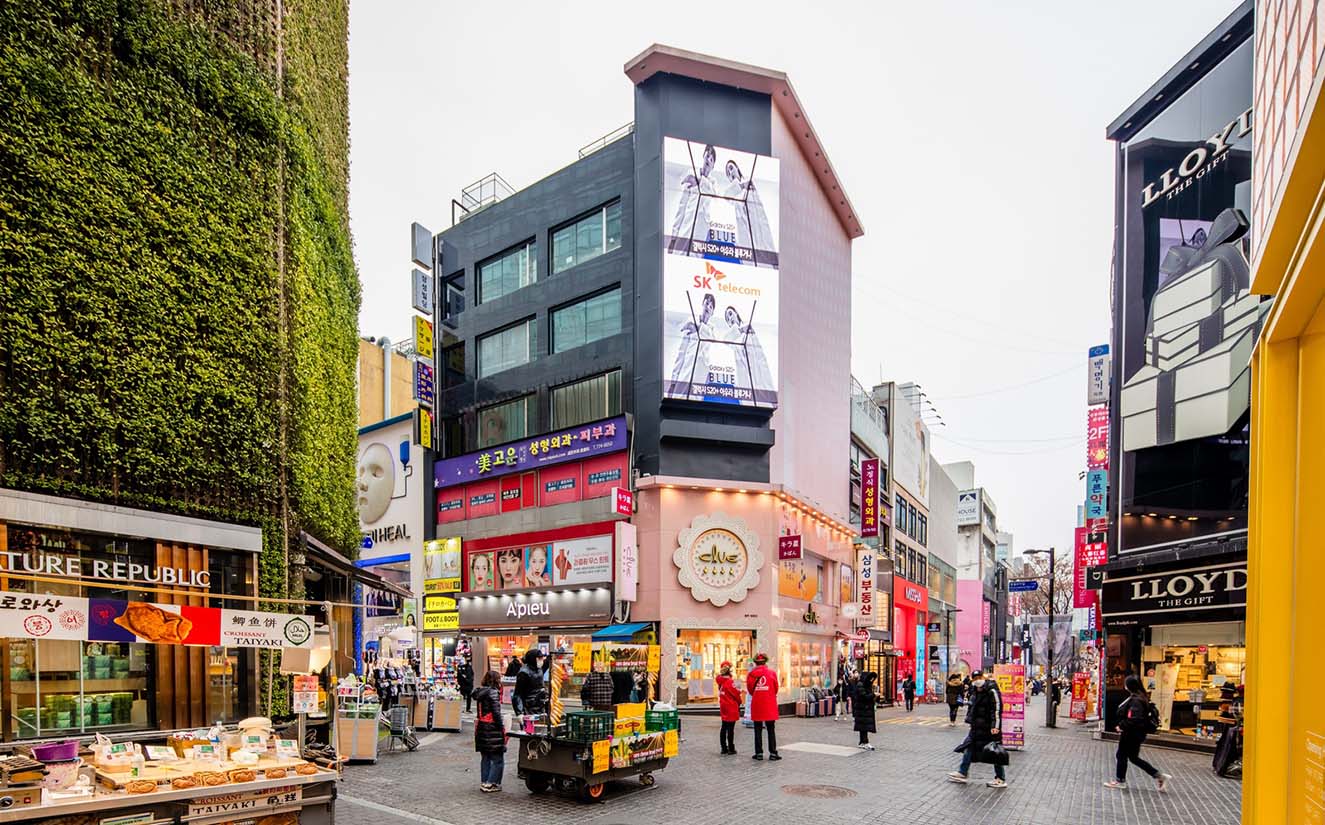
Myeong-dong is bustling by day and remains vibrant after dark.
The aroma of street food, the crowds on the shopping streets, and the glow of the streetlights created a wonderful travel atmosphere throughout the area.
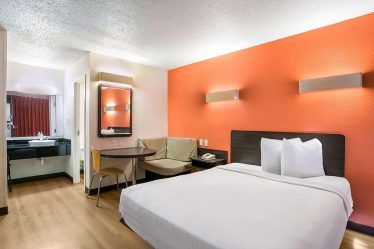
While the hotel wasn’t a massive luxury resort, the room design was highly practical.
The bed was comfortable and the amenities were well-rounded—perfect for a traveler who spends most of the day out exploring.
Convenience was the defining feature of this hotel.
If you are visiting Seoul for the first time or have a limited amount of time, I think staying near Myeong-dong is an excellent choice.
Hotel #2: Gangnam—Experiencing Seoul’s Modern Urban Lifestyle
For my second trip to Seoul, I wanted to experience a different side of the city, so I chose to stay in Gangnam.
Compared to Myeong-dong, Gangnam felt much more modern and sophisticated. Here, you’ll find high-rises, shopping malls, brand-name stores, and plenty of unique restaurants.
Stepping out of the hotel each morning, you can feel the atmosphere of a rapidly developing metropolis.
People on the street are stylish, others are working in cafés, and the commercial districts are bustling with energy.
What impressed me most about this hotel was the overall service and the design of the space.
The room layout is comfortable, and the public areas have a modern feel.
Returning to the hotel to rest after a day of traveling feels incredibly relaxing.
If you want to experience high-end dining or seek out unique cafés in the evening, Gangnam is an excellent choice.
I love the vibe of the Gangnam hotel.
It showed me that Seoul is not just about traditional culture and youthful neighborhoods; it also has the sophisticated side of a truly international city.
For those who enjoy shopping, are traveling for business, or simply want to experience modern Seoul, the Gangnam area is well worth considering.
Third stop: A hotel near Hongdae—experiencing the lifestyle of the youth
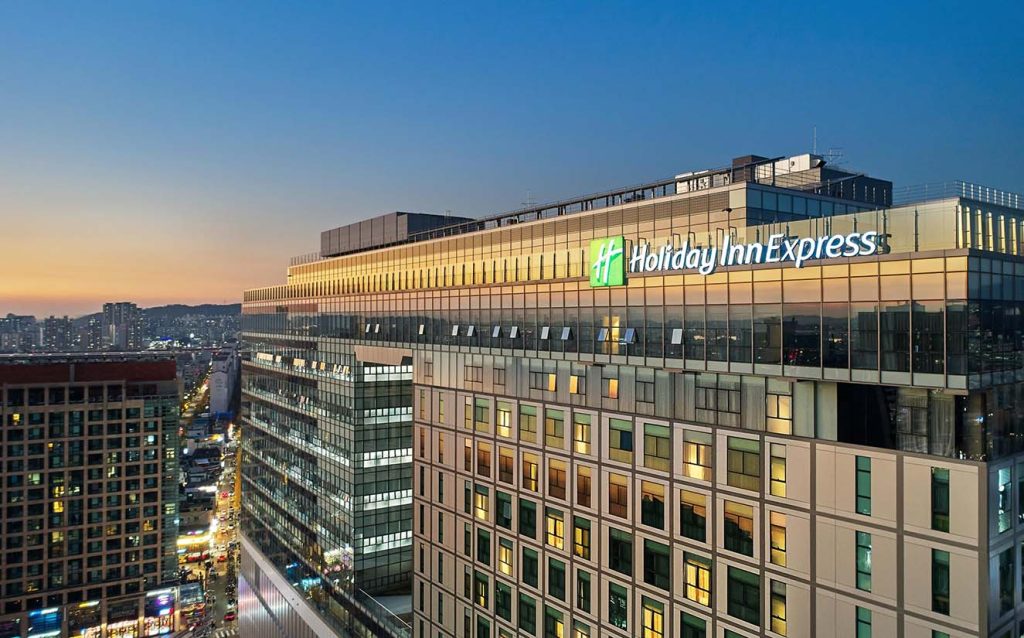
If Gangnam represents the modern metropolis, then Hongdae represents youth, freedom, and creativity.
Staying at a hotel near Hongdae gave me a completely different perspective on Seoul.
There isn’t a heavy business atmosphere here; instead, it’s all about the lifestyle of the younger generation.
The area surrounding the hotel is packed with cafés, small design shops, clothing boutiques, and unique restaurants.
Every evening when I returned, I would take a casual stroll through the neighborhood.
Sometimes, without a specific destination in mind, simply wandering the streets and discovering small shops led to delightful surprises.
Nights in Hongdae are particularly captivating.
Street performances, young people gathering, and the chatter from small eateries fill the area with vibrant energy.
The hotel itself is also well-suited to the needs of young travelers.
The design is minimalist yet features unique, thoughtful details.
While the rooms might not be huge, the overall atmosphere is cozy and comfortable.
I think this area is perfect for those who love exploring the city and have an interest in café culture and trendy lifestyles.
The best part of staying in Hongdae is getting closer to the everyday lives of Seoul’s young people.
Fourth stop: A hotel near a traditional neighborhood—experiencing the atmosphere of Korean culture
Beyond the bustling districts, I also tried staying at a hotel closer to areas rich in traditional culture.
This experience revealed a quieter, more peaceful side of Seoul.
Waking up in the morning, I could take leisurely walks around the neighborhood.
Free from the noise of major commercial districts, the area is defined by traditional architecture, narrow alleyways, and glimpses into the daily lives of local residents. This accommodation experience was completely different from the previous hotels.
It made me feel less like a rushed tourist and more like someone getting a brief taste of what life is like for the locals in Seoul.
The hotel’s design also placed a greater emphasis on Korean elements.
From the public areas to the room décor, there was a distinct blend of the traditional and the modern.
Returning to the hotel at night, the surroundings were quiet—perfect for resting.
I particularly enjoyed this slower pace.
Traveling doesn’t always have to mean packing your schedule with sightseeing spots every day.
Sometimes, staying in a distinctive neighborhood—enjoying a morning coffee and leisurely exploring the nearby streets in the afternoon—is a wonderful way to travel.
If you appreciate Korean history, architecture, and cultural experiences, this type of hotel offers a truly special feel.
The Fifth Stop: Boutique Design Hotels—Where the Hotel Itself Becomes a Memory
This final hotel represents the type of accommodation I enjoyed most during my time in Seoul.
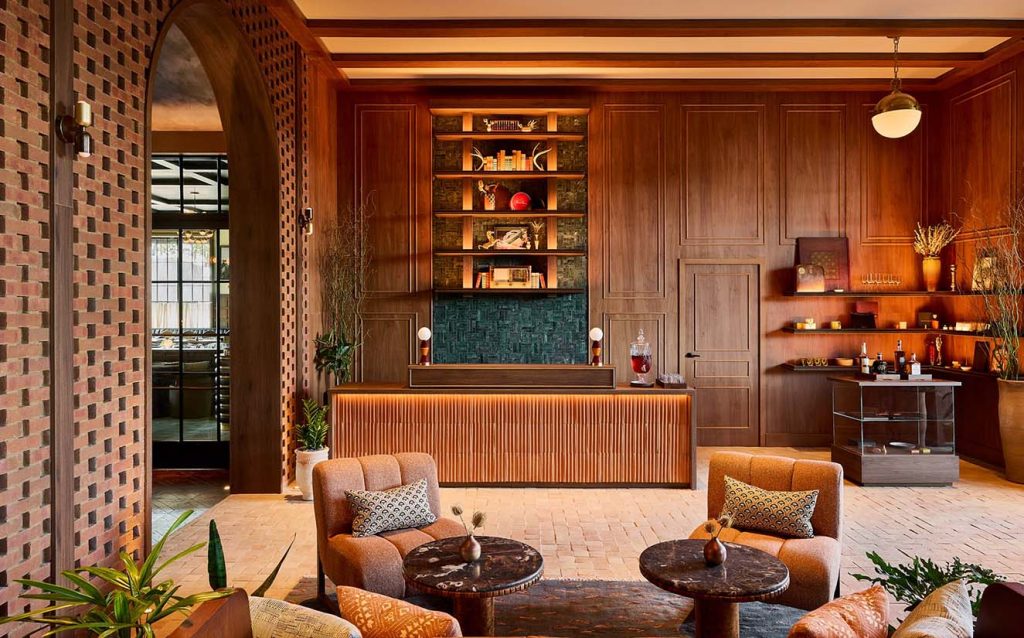
Unlike traditional hotels, these boutique design hotels focus heavily on atmosphere.
I noticed the difference between this and standard accommodation the moment I arrived.
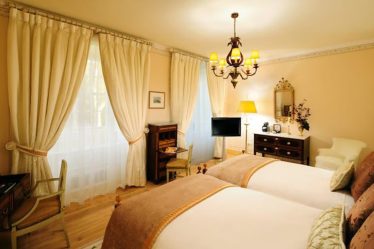
From the lobby design to the details in the room, it was clear the hotel aimed to create a unique experience.
Great care had been taken with the furniture, lighting, and spatial layout of the room.
After returning to the hotel at night, I wouldn’t go straight to sleep; instead, I loved sitting in the room, organizing my travel photos, and reflecting on the day’s experiences.
It made me feel as though the hotel itself had become an integral part of the journey.
Often, the joy of travel comes from these small details.
A comfortable bed, a quiet space, a cup of coffee, and a moment of relaxation at the end of the day.
For those who love photography, value good design, or seek accommodation with character, boutique hotels offer plenty of delightful surprises.
Seoul Accommodation: Finding Your Own Urban Rhythm
After wrapping up my trip to Seoul, I realized that the hotels I stayed in had actually captured many of the journey’s moments. I would set out from the hotel in the morning to explore the city, then return at night to sort through the day’s memories. Each hotel offered not just a place to sleep, but a unique sense of what life is like in that particular neighborhood.
Seoul is a city of diverse facets.
Staying in different areas reveals completely different sides of the city—from bustling shopping streets and trendy districts popular with young people to quiet, traditional alleyways. To me, choosing the right hotel is a way of choosing how to experience Seoul.
If I visit the city again, I’ll still try staying in different neighborhoods, because every stay holds the potential to reveal a new side of Seoul.