When I first planned my trip to Seoul, what I looked forward to most wasn’t the sightseeing spots, but the city’s rich culinary culture.
Many people know Seoul through K-drama street scenes, K-pop, or fashion and shopping; however, after actually arriving in the city, I discovered that food is the quickest gateway to understanding the Seoul lifestyle.
During my few days in Seoul, I didn’t pack my schedule with tourist attractions; instead, I dedicated more time to seeking out local restaurants, street food stalls, and unique cafés.
My days began with a simple breakfast, followed by traditional Korean cuisine for lunch, a relaxing break at a street-side café in the afternoon, and evenings spent experiencing lively night markets and barbecue joints.
Every meal brought me closer to the heart of the city.
The charm of Seoul’s food lies not just in the flavors themselves, but in the atmosphere of daily life that surrounds them.
Here, you find both time-honored traditional dishes and innovative dining trends created by the younger generation.
After a few days, my biggest takeaway was this:
If you want to truly understand Seoul, why not start with a meal?
First Arrival in Seoul: A Meal That Introduced Me to Korean Food Culture
For my very first meal after arriving in Seoul, I chose a local restaurant.
As soon as I sat down, I noticed distinct differences between the Korean dining style and the Asian cuisines I had experienced before.
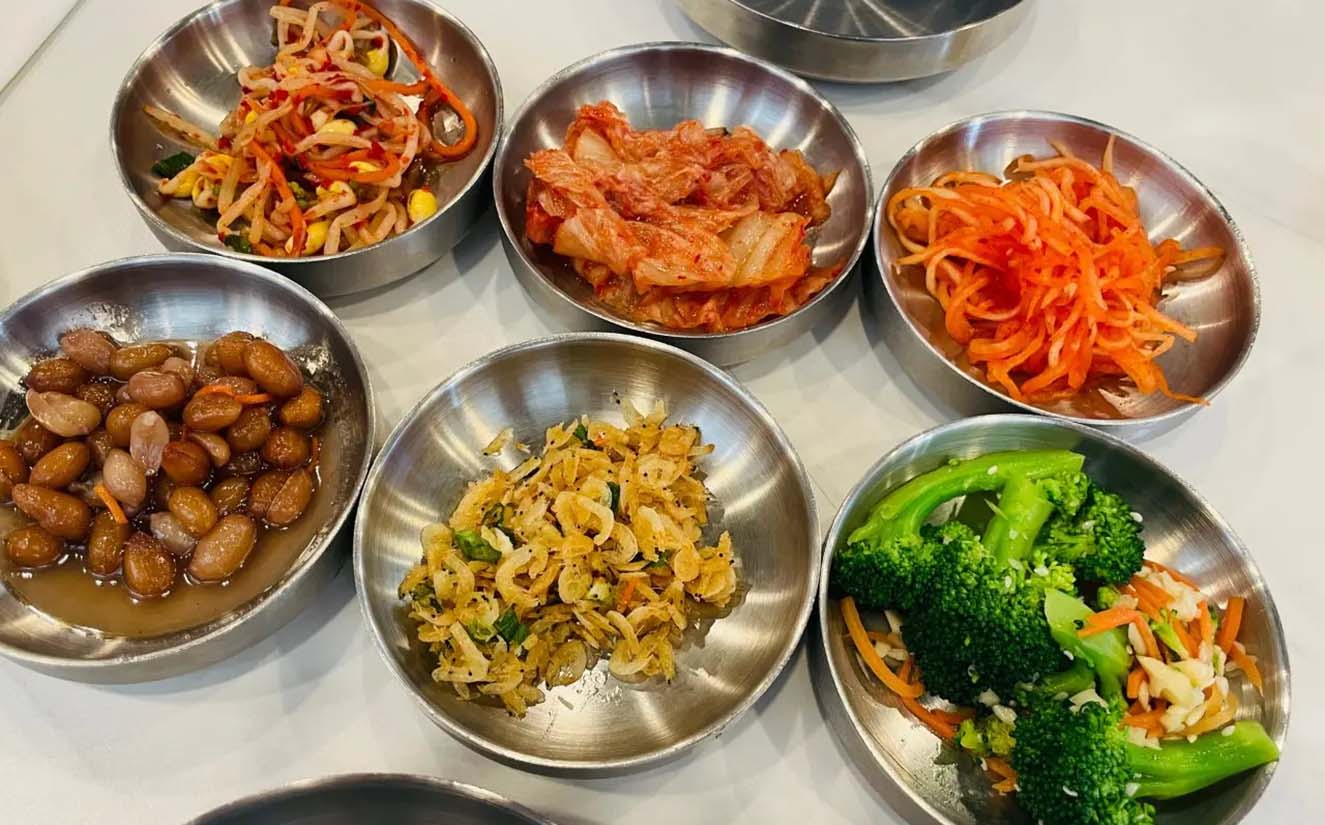
The table was set with an array of banchan (side dishes)—small in portion size but diverse in variety.
Kimchi, pickled vegetables, and specialty accompaniments added layers of flavor to the meal right from the start.
I really enjoyed this style of dining.
Unlike meals centered on a single main dish with simple sides, Korean cuisine feels more like a shared experience of diverse flavors.
Everyone can mix and match dishes according to their own preferences.
After that first meal, I began to understand why so many tourists love exploring local restaurants when visiting Korea.
It’s because the food here isn’t just about filling your stomach; it’s about connection and experience.
Korean BBQ: The Most Memorable Culinary Experience of My Seoul Trip
If I had to choose just one culinary experience worth having in Seoul, it would undoubtedly be Korean BBQ.
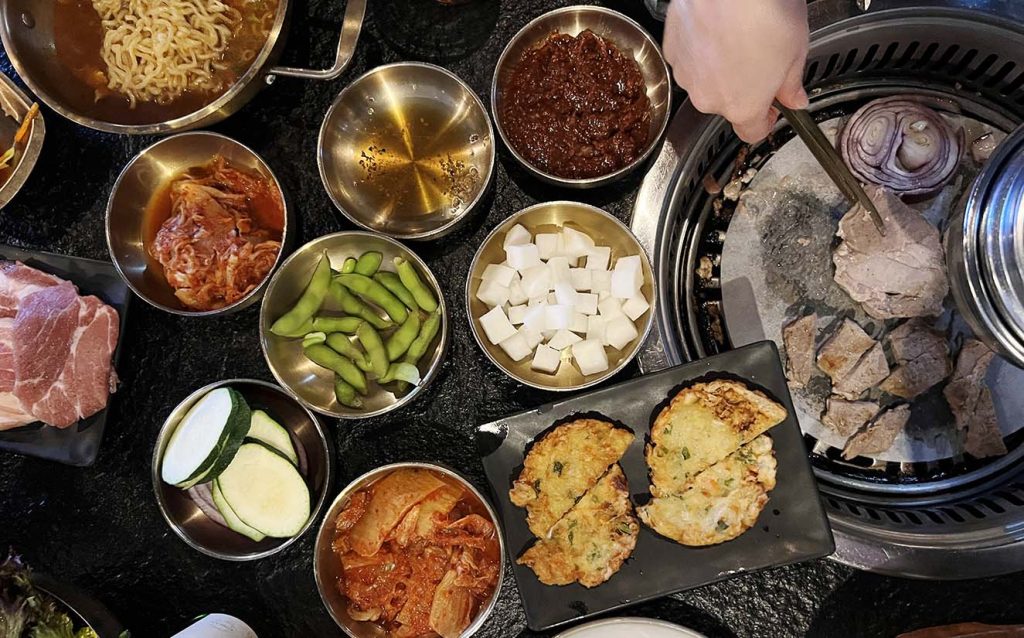
Before the trip, I had read a lot about Korean BBQ, but actually sitting in a restaurant and experiencing it firsthand felt completely different. The greatest appeal of Korean barbecue lies not just in the taste of the meat, but in the entire experience.
Everyone sits around the table, grilling the meat themselves and pairing it with lettuce, sauces, and side dishes according to their own preferences.
I found this interactive aspect truly special.
I chose some popular local cuts of meat and savored the way the ingredients transformed as they grilled.
The freshly grilled meat was aromatic; eating it with vegetables created a richer, more complex flavor profile.
I was particularly struck by how much emphasis Koreans place on sharing meals.
A barbecue meal isn’t something to be rushed through; it is an opportunity for conversation and relaxation.
It made me realize that good food truly connects people.
Myeong-dong Street Food: Flavors Loved by Both Tourists and Locals
No culinary exploration of Seoul is complete without trying the street food.
Myeong-dong was a frequent stop during my trip.
It’s a great place for shopping during the day, while the evenings come alive with a multitude of food stalls.
The moment I first stepped into the streets of Myeong-dong at night, I was drawn in by the enticing aromas in the air.
Stalls lined the streets, and tourists strolled along, sampling various specialty snacks.
I tried several classic Korean street foods.
Spicy rice cakes (tteokbokki) were a standout for me.
The soft, chewy rice cakes paired with the rich, bold sauce offered a flavor that was distinctively Korean.
There was also a wide array of fried snacks, fish cakes, and desserts.
While these foods might look simple, they represent the authentic, everyday life of Seoul’s streets.
I really enjoyed this kind of travel experience.
You don’t need to sit in a high-end restaurant; simply buying a snack on the street allows you to feel the city’s warmth and spirit.
Korean Fried Chicken: A Joyful Taste of Seoul’s Nights
Korean fried chicken was another dish I was really looking forward to trying on this trip.
In many movies and TV shows, Korean fried chicken is often associated with late nights and gatherings with friends.
After arriving in Seoul, I discovered that this dining culture is very real.
I’d find a fried chicken shop in the evening, order some chicken and a drink, and soak in the atmosphere as locals chatted around me.
The vibe was incredibly relaxed.
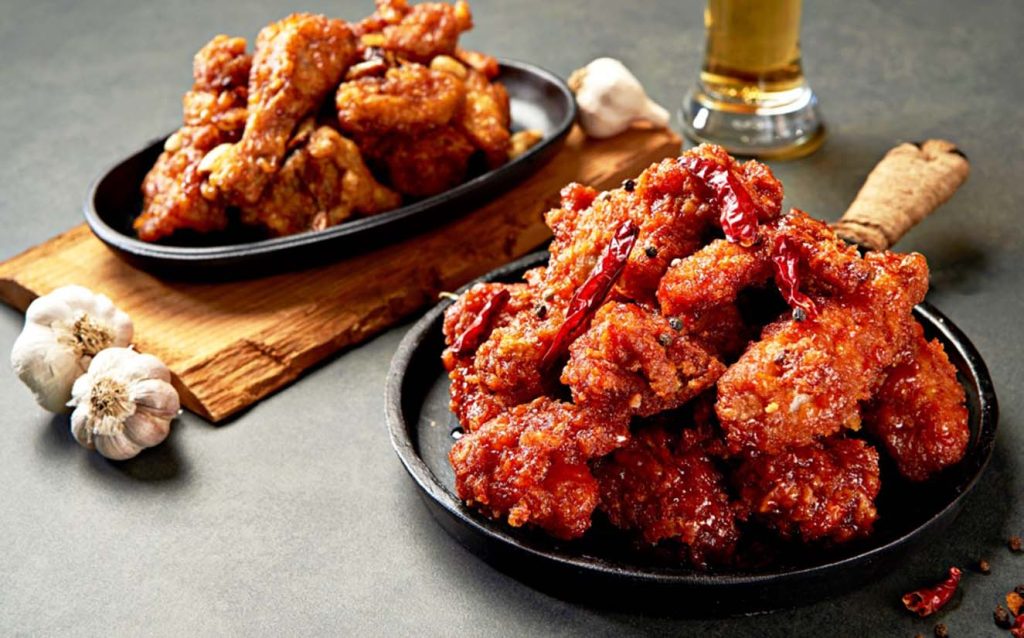
The biggest difference between Korean fried chicken and the standard variety is the sheer range of flavors available.
There are classic original versions as well as options featuring a variety of unique sauces.
I loved savoring the food while soaking up the restaurant’s atmosphere. It lacks a stiff, formal atmosphere; instead, it serves as a relaxed social space.
For me, this is one of the quintessential experiences of a night out in Seoul.
Traditional Korean Cuisine: Tasting History
Beyond trendy eats, Seoul offers plenty of traditional cuisine worth experiencing.
During my trip, I made a point of seeking out restaurants serving traditional Korean dishes.
Unlike street food, traditional cuisine places greater emphasis on the overall composition of the meal.
Combining ingredients of various colors creates a visually rich spread while reflecting the concept of balance central to Korean culinary culture.
After trying a few traditional dishes, I discovered that Korean cuisine is about far more than just spiciness.
Beyond kimchi and spicy fare, there are many subtle, mild flavors to be found.
These traditional restaurants showed me that Seoul is not a city obsessed solely with the latest trends.
It still preserves its own unique culinary heritage.
Hongdae Cafés: Experiencing Afternoons with Seoul’s Youth
I love making time for café visits when traveling in Seoul.
The café culture is particularly vibrant in the Hongdae area.
The neighborhood is dotted with stylish, well-designed shops, each boasting its own unique vibe.
After a tiring shopping session, I’d find a café to sit down in.
I’d order a coffee or a dessert and simply watch the crowds pass by outside.
These brief respites allowed me to slow down the pace of my trip.
I noticed that young people in Seoul place great importance on café culture.
These spots are more than just places to grab a coffee; they are spaces for chatting with friends, working, and unwinding.
For travelers, they also offer a window into the local lifestyle.
Seoul’s Dessert Scene: Refinement in Korean Treats
Beyond main meals, I also really enjoyed exploring Seoul’s dessert offerings.
Korean dessert shops typically place a strong emphasis on visual presentation.
Whether it’s cakes, pastries, or specialty drinks, the attention to detail is impressive.
I sampled a variety of local desserts during my trip.
What struck me most was that many of them weren’t cloyingly sweet; instead, the focus was on texture and flavor balance.
Sitting in a beautiful dessert shop and enjoying a leisurely afternoon was one of the most delightful moments of my trip to Seoul.
Seoul’s Culinary Delights: Remembering the City Through Taste
Seoul is a city best discovered through its food. Here, you’ll find bustling street food, interactive Korean barbecue, and the cultural depth of traditional cuisine, alongside the modern cafes and desserts favored by the younger generation.
Yet, what truly draws me to Seoul’s culinary scene isn’t just the food itself. More importantly, every flavor is deeply connected to the local way of life.
A barbecue meal signifies connection among friends; street food embodies the city’s vibrant energy; a cafe reflects the leisure habits of young people. To me, the most precious part of travel is getting to know a city through these very details.
If I were to visit Seoul again, I would certainly continue seeking out new restaurants, small shops, and hidden culinary gems.
After all, this city always holds new flavors waiting to be discovered.