The moment I set foot in Genoa, I was drawn to its elegance cloaked in a subtle air of mystery. Unlike Rome’s grandeur or Venice’s dazzle, Genoa’s charm is understated but impossible to ignore. From the winding medieval alleys to the magnificent port and the impossibly blue Ligurian coastline, everything about this city kept me wanting to explore more. There’s a poetic quietness to the way Genoa reveals itself—never shouting for attention, but always rewarding those who look closely. I quickly realized that the more I wandered, the more the city unveiled layers of its personality, each more intriguing than the last.
1. Don’t Treat Genoa as a “Pass-Through City”
Many travelers see Genoa merely as a stopover on the way to the Cinque Terre. I was skeptical myself while planning: is Genoa really worth a few days? As it turns out, that kind of thinking is a complete misunderstanding of what the city has to offer. Genoa is home to one of Italy’s largest and busiest ports and boasts one of the oldest medieval old towns in Europe. Buildings rise in layers from the sea to the hillside, and every turn down an alley feels like stepping into a new chapter of history.
What surprised me most was the contrast—one moment you’re walking beside ancient city walls, and the next, you’re sipping coffee in a modern art gallery. Genoa has depth. It’s not designed for tourists, which makes it feel refreshingly authentic. My advice: give Genoa at least three days. Spend the first exploring the old town and the port, use the second for museums, art galleries, or taking a cable car to admire panoramic views, and reserve the third for a short trip to Portofino or Camogli. You’ll leave feeling like you’ve discovered a secret that others have overlooked.
2. The Old Town: Don’t Miss the “Secrets” Hidden in Its Alleys
The Centro Storico is the soul of Genoa. Not only is it a UNESCO World Heritage Site, but it’s also a living memory of the city. Initially, I planned to breeze through it in a few hours, but I ended up “lost” in its labyrinthine alleys for an entire day. On Via Garibaldi, you’ll find a lineup of 16th-century Palazzi dei Rolli—grand aristocratic palaces rich in history and art. Meanwhile, side alleys like Vico della Rosa or Vico del Filo hide cozy bars, cafes, and secondhand bookstores frequented by locals.
The more I wandered, the more I realized the Old Town isn’t just historical—it’s alive. Laundry flaps overhead between buildings barely wide enough to stretch your arms. Elderly residents chat from their balconies, and students dart past on scooters. Wear comfortable shoes and dive into the alleys—you’ll feel Genoa’s rhythm under your feet. Don’t just stick to what’s on the map; the city’s real magic lies in its unexpected corners. Even a wrong turn can lead to an unforgettable encounter: a hidden church, a curious shopkeeper, or a tiny piazza bathed in golden light.
3. Transportation Tips: Walking + Funicular Is the Way to Go
Genoa’s urban layout is unlike most cities—it’s almost like it was built vertically rather than horizontally. The old town near the port is relatively flat and walkable, but as you venture further, especially toward the residential neighborhoods, the city seems to rise up the hills in dramatic fashion. Narrow staircases, sharp inclines, and winding alleyways are everywhere. As someone constantly lugging around a camera bag and a backpack, I’ll admit I was a bit intimidated on my first day. It’s easy to feel overwhelmed by the elevation changes, especially under the midday sun.
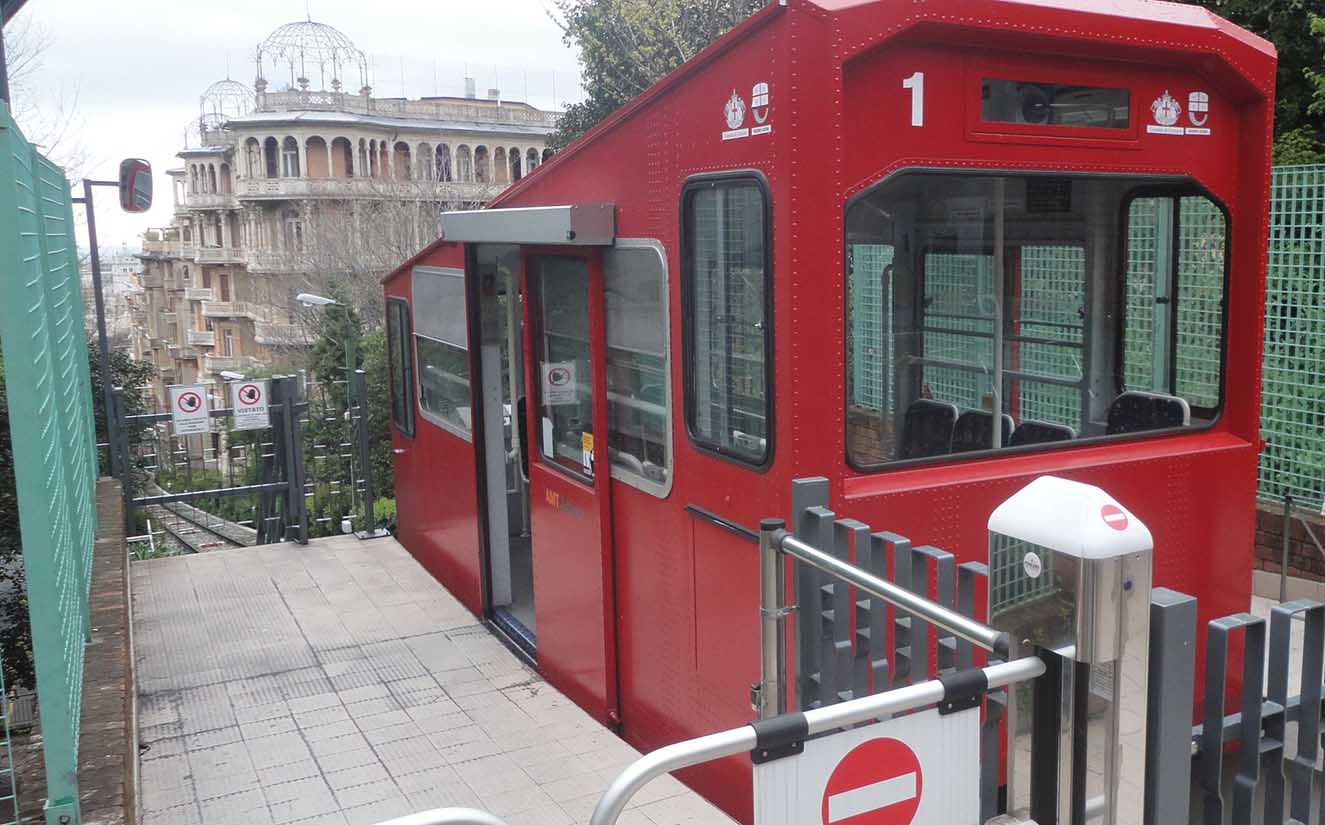
But here’s the good news: Genoa’s public transportation system is impressively well-suited to its unique topography. One of the city’s best-kept secrets is its “Funicolare” system—essentially a blend of subway and cable car, designed specifically to navigate steep terrain. These funiculars are not just practical; they’re also a fun and scenic way to explore. One of my favorite rides was the Zecca–Righi line, which glides effortlessly from the bustling old town up to a serene panoramic lookout. From the top, you can enjoy sweeping views of Genoa’s historic rooftops, modern harbor, and the glittering Ligurian Sea beyond.
4. Genoese Cuisine: It’s More Than Just Seafood
When people think of Genoese food, the first thing that comes to mind is pesto (Pesto alla Genovese). I was no different—my first meal was the classic Trofie al Pesto. The fragrance of fresh basil and pine nuts still makes my mouth water. But to my surprise, Genoa’s culinary offerings go far beyond pesto.
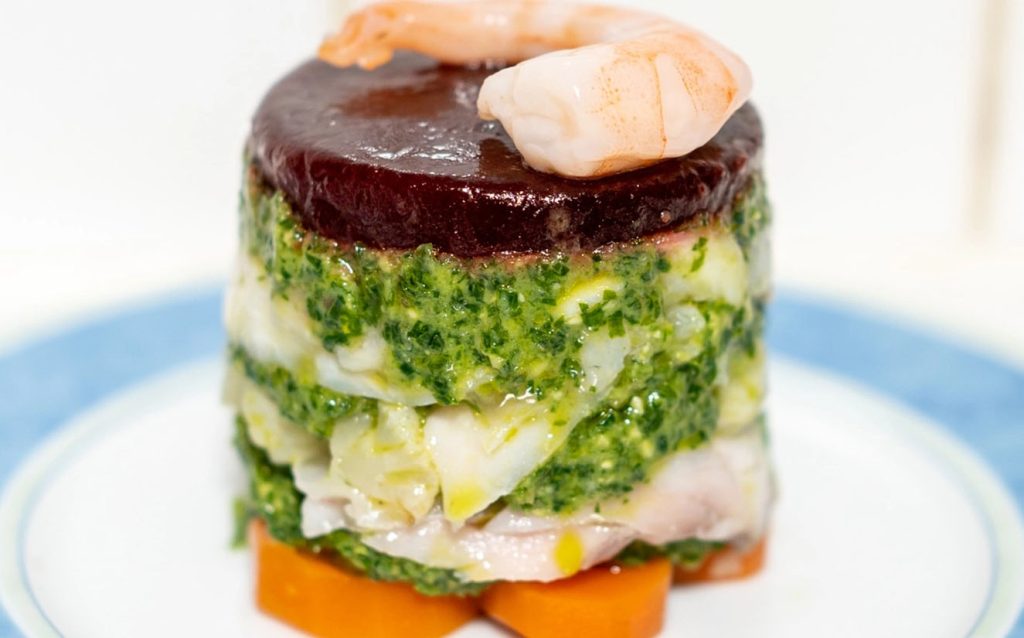
I tried “Farinata,” a crispy flatbread made of chickpea flour; and “Panissa,” deep-fried chickpea cakes that reminded me of savory mochi. At a seaside trattoria near the old port, I also had “Cappon Magro,” a vibrant seafood salad layered with vegetables—it looked so beautiful I almost didn’t want to eat it.
Head to the Mercato Orientale (Eastern Market)—a haven for both traditional and creative food lovers. It’s the best place to get a real taste of Genoa’s food culture.
5. Culture and Museums: Way More Than You Expect
Many first-time visitors skip Genoa’s museums, but after visiting a few myself, I realized what a mistake that would have been. Once a powerful maritime republic, Genoa has an incredibly rich history that’s well-preserved in its cultural institutions.
Here are my personal favorites:
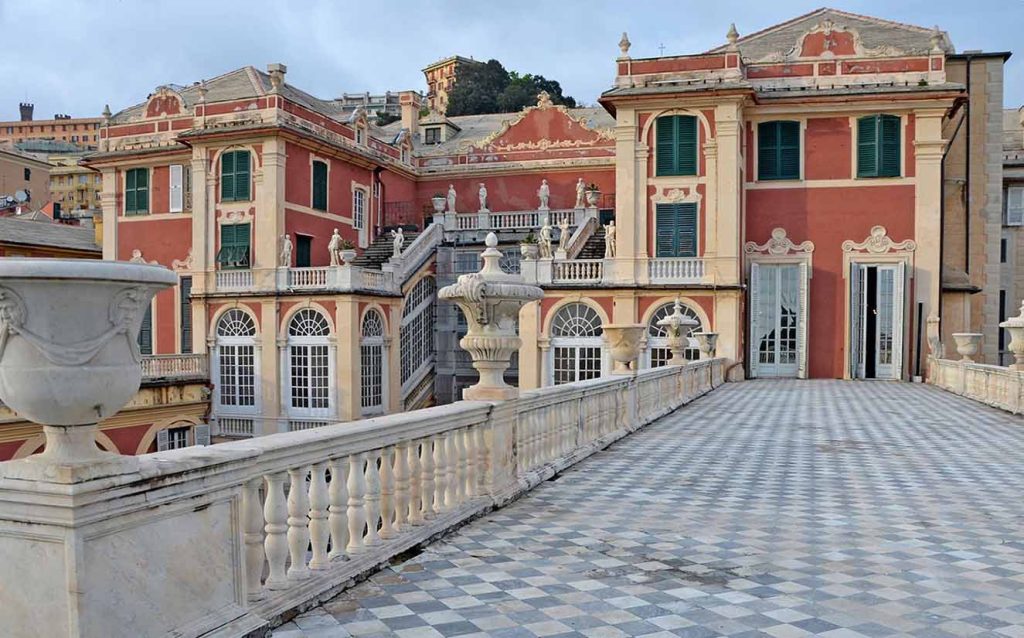
- Palazzo Reale (Royal Palace): Lavishly decorated, with a stunning mirror hall that rivals Versailles.
- Galata Museo del Mare (Maritime Museum): Italy’s largest maritime museum, featuring exhibits from ancient ships to modern migration vessels.
- Musei di Strada Nuova: A group of three palaces housing masterpieces by Caravaggio, Rubens, and others.
Get the Musei Card if you plan to visit several spots—it’s a great way to save on entry fees.
6. Coastal Charm: Old Port and Boccadasse Are the Highlights
Genoa’s port used to be a gritty hub for sailors and dockworkers, but it’s now a lively and stylish waterfront. With an aquarium, children’s museum, marina, and plenty of cafes, it’s the perfect place to spend a relaxed afternoon. I especially loved being there at sunset, watching seagulls glide and the golden light shimmer on the water, then lingering over dinner at a waterside tavern.
Don’t miss Boccadasse, a postcard-perfect fishing village not far from the city center. You can take a bus or rent an e-scooter to get there. I sat on the pebbled beach with gelato in hand, watching locals walk their dogs and chat—it felt like I was part of everyday Genoese life.
7. Language & Communication: Smiles and Hand Gestures Go a Long Way
Italians are known for their warmth, and Genoese people are no exception. While English isn’t as widespread here as in Northern Europe, you’ll do just fine if you show a friendly attitude. I learned a few basic Italian words—like “Ciao,” “Grazie,” and “Scusi”—and using them always earned me a brighter smile in return.
And don’t be shy about using hand gestures! In Italy, expressive “hand language” is practically a second tongue. Sometimes, a dramatic gesture works better than any English phrase.
8. Budget Tips: Genoa Is Surprisingly Affordable
Among major Italian tourist cities, Genoa offers great value for money. Meals at local restaurants usually cost €15–25 per person, while street food and market stalls can be under €10. Accommodation-wise, double rooms in central B&Bs are often between €60–90 per night—far cheaper than in Milan or Florence.
Many attractions are within walking distance, keeping transportation costs low. And if you use trains to explore nearby destinations (like Portofino, Cinque Terre, or Pisa), you’ll keep your travel budget well under control.
9. Off-the-Beaten-Path Ideas: See Genoa from a New Angle
If you have an extra day, I strongly recommend visiting the Cimitero Monumentale di Staglieno. It may sound unusual, but this monumental cemetery is one of Europe’s most artistic burial grounds. The many sculptures there are truly breathtaking—it feels like an open-air art museum more than a graveyard.
Another spot I loved is the Spianata Castelletto viewpoint. Go in the evening to see the city and port glowing in the golden hour light. That’s when I truly understood the poetry of a city set between mountains and sea.
10. Genoa Is a City That Teaches You to Slow Down
Travel shouldn’t be about rushing from one attraction to the next. It should be about syncing your rhythm with the city’s pace. That’s exactly what Genoa invites you to do. It might not be as “flashy” as some other Italian cities, but it’s real, rich, and quietly captivating.
Here, I shared conversations with fishermen, got lost in alleys, sipped espresso in sunny cafés—all of which became memories that defined my time in Genoa. So if it’s your first visit too, remember this: slow down, ditch the rigid plans, and immerse yourself in local life. The truest beauty of Genoa is often waiting just around the next unsuspecting corner.